
 Svenska
 Deutsch
Cart
Your cart is empty, but doesn't have to be.
Your cart is empty, but doesn't have to be.
When Vikings are mentioned, many people first think of raids, burning monasteries, and battle cries echoing along misty shores. But Viking expeditions were about far more than violence and conquest.
The Vikings were the expression of a culture driven equally by adventure, trade, courage, and curiosity. Between roughly 750 and 1100, they sailed to places few other cultures even dared to imagine. Their journeys shaped the course of European history—and in many cases, the history of the wider world as well.
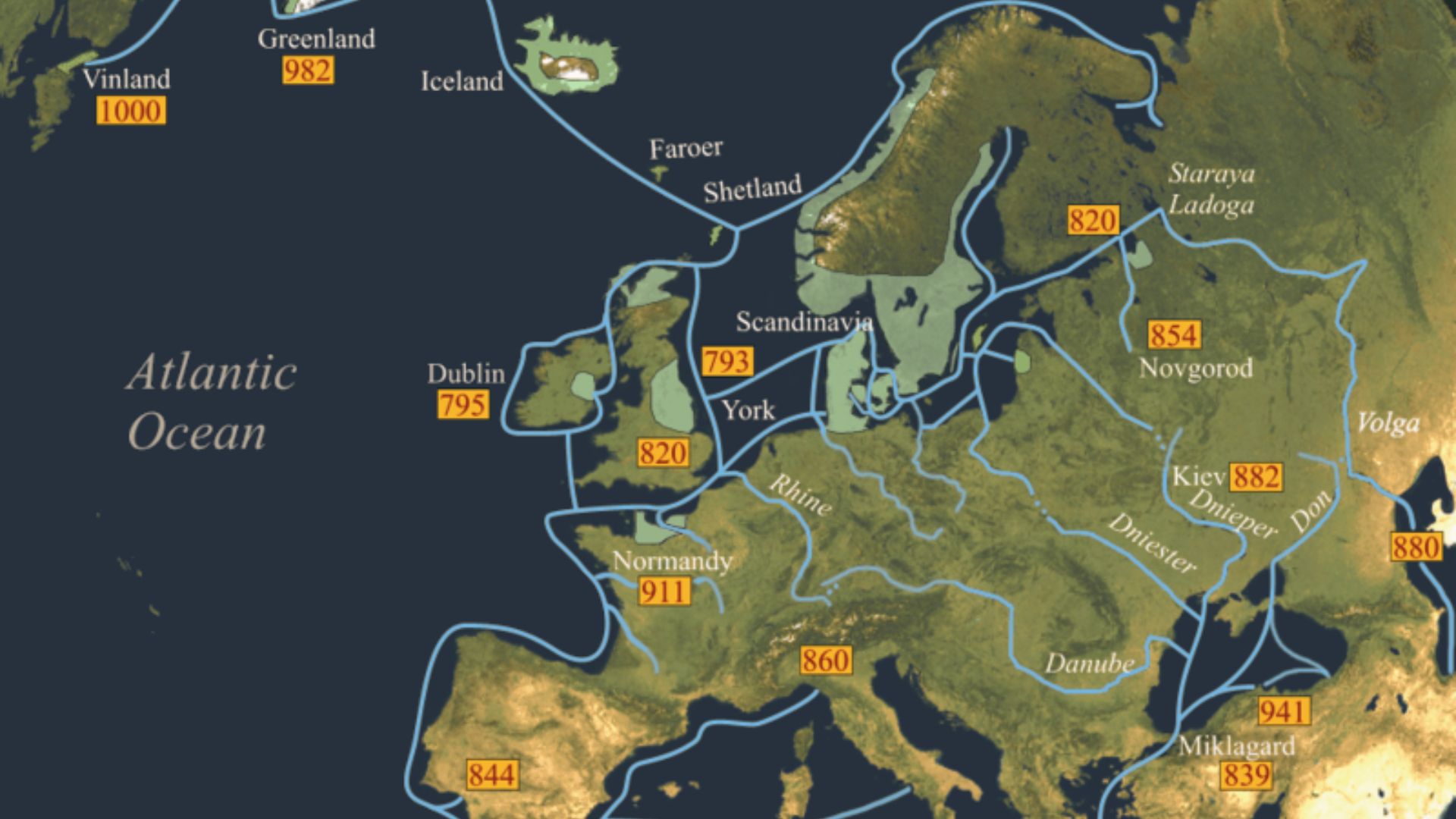
It all began with the ships. Viking longships were a technological revolution—light, strong, and flexible enough to travel both the open sea and shallow rivers. In a single day, they could read the wind, land on a beach, glide into a river, and be deep inland before anyone had time to react. These ships gave the Vikings a reach that few other peoples could rival.
But Viking expeditions were not only about plunder. Many journeys were trading ventures, diplomatic missions, or settlement projects. They reached Constantinople and came into contact with the powerful Byzantine Empire. They traveled along the rivers of Russia all the way to the Black Sea, creating the first trade routes that connected Scandinavia with the Arab world. They founded settlements in Iceland, colonized Greenland, and even reached the coast of North America—five hundred years before Columbus.
At the same time, some Viking expeditions had a more overtly martial character. The swift raids along the coasts of England and France shocked the rulers of the continent. For the Nordic warriors, these campaigns were about honor, wealth, and power. Yet even here, the story is more nuanced than the myth of brutal raiders. Many Vikings eventually settled in the lands they had once attacked. In Normandy—named after the “land of the Northmen”—they became dukes, and their descendants would go on to shape Europe’s future.
Viking expeditions also reflected a society in which courage and decisiveness were highly valued. A young man seeking honor had to prove his worth through boldness and skill. The journeys became a way to demonstrate strength, but also a way to grow, explore, and create something new.
This is what makes the Vikings’ travels so fascinating. They were not only warriors; they were explorers, merchants, diplomats, and colonizers. They carried their traditions, their mythology, and their worldview with them—but they also absorbed new ideas, technologies, and influences. Viking expeditions wove a cultural fabric that is still visible today in place names, genetics, and languages across Europe.
Today, traces of their journeys can be found everywhere: in English village names, in ship discoveries beneath Norwegian soil, in Arabic coins unearthed from Swedish graves, in sagas told for a thousand years. The Vikings were far more global than we often imagine. They moved through the world with a confidence few other cultures of the same era possessed.
Viking expeditions were a movement of people who dared to cross unknown seas and leave everything familiar behind. They did so for wealth, for honor, for curiosity—and sometimes simply for the sake of adventure itself. It was these journeys that made them legendary, these journeys that made them feared, and these journeys that made them one of history’s most dynamic cultures.