
 Svenska
 Deutsch
Cart
Your cart is empty, but doesn't have to be.
Your cart is empty, but doesn't have to be.
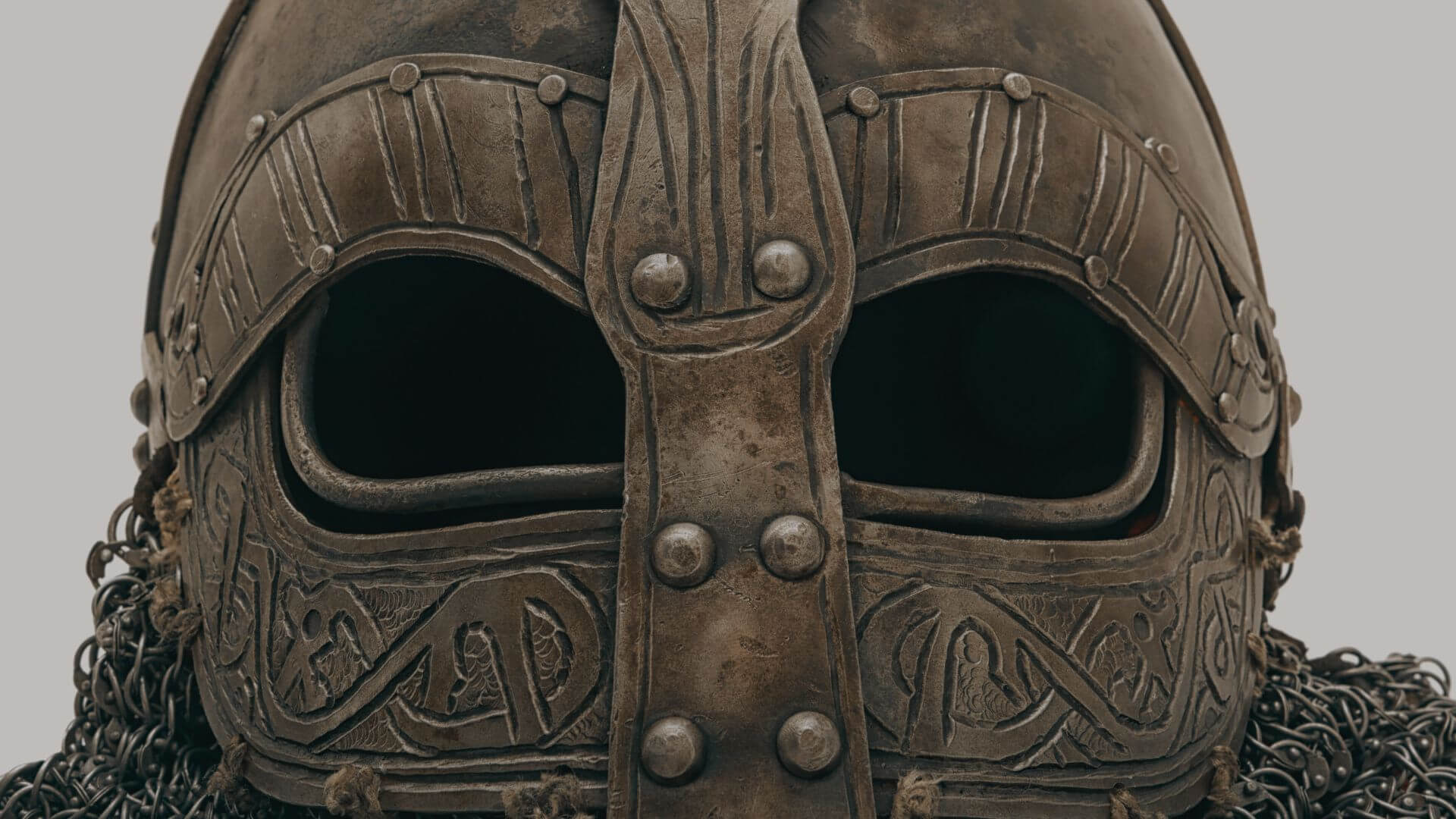
The Vikings were the bold seafarers and explorers of the Nordic world, originating primarily from what is today Sweden, Norway, and Denmark. They built fast, agile longships that allowed them to travel across open seas as well as up rivers deep into Europe. From the late 8th century to the mid-11th century, they set out from Scandinavian shores and left their mark on regions ranging from England and Ireland to Constantinople and North America.
At the same time, the Vikings were far more than warriors. They were farmers, poets, storytellers, and diplomats. Most lived on farms where families cultivated the land, hunted, and raised animals. Villages were small and scattered but connected through the thing, the assembly that governed society—a local council where free men gathered to make decisions and resolve disputes through discussion and voting. This system is often seen as an early form of democracy.
The term “Viking” does not refer to an ethnic group, but rather to a way of life or an activity. To “go Viking” meant setting out across the seas for trade, exploration, or warfare. Most Norse people during the Viking Age were ordinary farmers and craftsmen living hard but structured lives.
The Vikings believed in a universe filled with gods, beings, and unseen forces. The gods and sagas gave meaning to life and death, and heroism was celebrated just as much as wisdom and skill. The Viking legacy lives on in language, place names, and traditions throughout the Nordic countries today.
The Nordic landscape was demanding—cold winters, barren land, and great distances. These conditions shaped a people accustomed to hard work, yet highly skilled at making use of every resource. Their societies were built on kinship, loyalty, and a balance between nature’s harsh constraints and human ingenuity.
The Vikings were skilled blacksmiths, woodworkers, weavers, and stonemasons. Craftsmanship flourished, and the jewelry, tools, and weapons that have been discovered bear witness to masterful design and meticulous workmanship. Through trade, Nordic goods spread across Europe—furs, iron, amber, swords, jewelry, and crafted objects.